What Should Companies Look for When Choosing a National Chauffeur Provider?

CORPORATE EVENTS
Corporate Event Transport Checklist - A Practical Guide for Event Planners Managing Business Events

Managing transport for a corporate event can quickly become complex. Between staggered airport arrivals, multiple venues, changing schedules and high-profile guests, transport is often the most time-sensitive part of the planning process.
Whether your event includes senior executives, international delegates or internal teams, a structured corporate event transport checklist reduces risk and helps ensure a smooth, professional guest experience.
Quick Checklist: The 30-Second Summary
- Define movement: Map airport arrivals, hotel transfers and dinner venues.
- Segment guests: Match executives to sedans and groups to vans or mini-buses.
- Flight tracking: Ensure your provider uses real-time flight monitoring.
- On-site logistics: Confirm height clearances and VIP drop off zones.
- Sustainability: Consider electric vehicle options and carbon offsetting.
Step 1: Define Your Guest Movement Plan
Before confirming any chauffeur bookings, clarify the logistics of the event.
- How many guests are arriving by air, and are they landing at different terminals?
- Are guests staying at one hotel or several locations?
- Do you need transfers for off-sites, dinners or closing functions?
- Are there multiple venues across the day?
Map the movement plan first so transport becomes a core part of the schedule rather than something added at the end.
Step 2: Segment Your Guest List
Not all guests require the same level of transport support. Segmenting early avoids over or under-allocating vehicles.
- Tier 1: Board members and senior executives.
- Tier 2: Keynote speakers and VIP clients.
- Tier 3: Delegates and general attendees.
- Tier 4: Internal staff or event support teams.
This structure allows you to match vehicle type and service level appropriately.
Step 3: Match the Right Vehicle to the Group
Selecting the correct vehicle improves efficiency, comfort and coordination.
Common options include:
- Executive Sedans: Vehicles such as the BMW i7 are ideal for individual executives and keynote speakers who require a quiet, professional arrival.
- SUVs: Options including the BMW X7 work well for small leadership teams or guests travelling with additional luggage.
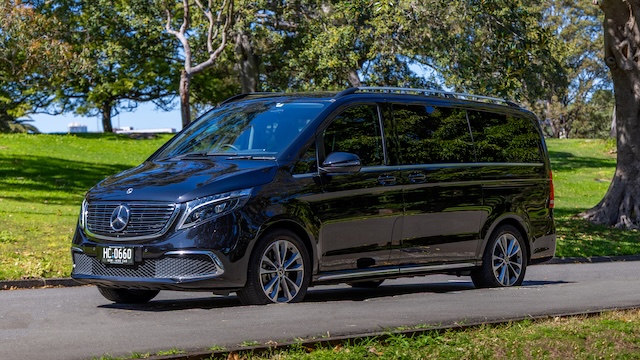
- Vans: Vehicles such as the Mercedes-Benz V-Class or Mercedes EQV are suited to coordinated airport transfers and small group movements.
- Mini-Buses: Options including the Mercedes-Benz Sprinter are best for transporting larger groups between hotels and event venues.
Using group vehicles where practical reduces the number of cars required and keeps arrivals synchronised.
Electric vehicle options are available in select cities and can be requested at the time of booking.
Step 4: Plan Airport Arrivals in Detail
Airport transfers are often the first impression of your event.
To minimise disruption:
- Provide a complete flight manifest in advance.
- Group arrivals that land within similar time windows.
- Confirm meet-and-greet instructions clearly with guests.
- Ensure your provider includes appropriate wait time allowances.
Evoke uses trusted flight tracking tools to monitor arrivals and adjust pick up times automatically, reducing pressure on event planners when flights are delayed.
Step 5: Build Flexibility Into the Schedule
Corporate events rarely run exactly to plan. Keynote sessions can run overtime. Dinners may shift. Executives may need to leave early.
Build flexibility into:
- Pick up times after presentations.
- Transfers to evening venues.
- Multi-stop itineraries.
- Departure transfers to airports.
Maintaining a small buffer in the schedule can prevent cascading delays later in the day.
Step 6: Assign a Central Transport Coordinator
Designate one internal contact responsible for transport decisions. This prevents conflicting instructions and confusion.
Working with a coordinated provider like Evoke allows you to benefit from:
- One booking framework across locations.
- Clear vehicle allocations.
- Consolidated communication.
- A customer service team that supports schedule adjustments.
This is particularly helpful for multi-day or multi-venue events.
Step 7: Confirm Venue Access and Logistics
Venue access can create unexpected issues if not checked in advance.
Confirm:
- Dedicated pick up and drop off zones.
- Height restrictions for vans or mini-buses.
- Security accreditation requirements.
- Access restrictions in CBD areas.
Verifying these details ahead of time prevents delays during peak arrival periods.
Step 8: Review Sustainability and ESG Considerations
Many organisations incorporate sustainability targets into event planning.
Transport can support these goals by:
- Using group vehicles instead of multiple individual cars.
- Requesting electric vehicle options in cities where available.
- Working with providers that offset emissions through partnerships such as Greenfleet.
This allows companies to align event transport with broader ESG objectives while maintaining reliability and professionalism.
Step 9: Conduct a Final Transport Review
One week before the event, review:
- Updated flight schedules.
- Final hotel allocations.
- Confirmed event timing.
- Emergency contact details.
- Final vehicle numbers.
A structured final review significantly reduces the likelihood of last-minute issues.
Corporate Event Transport Across Australia
For companies hosting events in Australia, consistency matters. Evoke provides coordinated chauffeur services across:
This nationwide coverage allows planners to implement the same structured transport framework regardless of location.
Frequently Asked Questions
How far in advance should I book corporate event transport?
Booking several weeks in advance is recommended, particularly during peak conference seasons.
Can Evoke manage staggered airport arrivals?
Yes. Flight manifests can be grouped to ensure efficient vehicle allocation and coordinated arrivals.
Is it better to use one provider across multiple cities?
Using one coordinated provider simplifies communication, improves consistency and reduces administrative workload.
Can transport arrangements be adjusted if the event schedule changes?
Yes. Adjustments can be managed through Evoke’s customer service team, subject to vehicle availability.
Are electric vehicle options available?
Electric vehicle options are available in select cities and can be requested where available.
Make Transport the Most Organised Part of Your Event
Corporate event transport does not need to be the most stressful aspect of planning. With a structured checklist, clear coordination and a reliable chauffeur partner, planners can ensure guests move efficiently and professionally from arrival to departure.
When transport is organised properly, the focus remains where it belongs, on delivering a successful event.